
Warehousing
Transform Your eCommerce with Sustainable Kitting Strategies

As eCommerce brands scale, many start to notice that packaging and fulfillment decisions have a bigger impact than expected—on costs, operations, and customer perception. Sustainable kitting has become one of the most practical ways businesses can reduce waste while still delivering organized, high-quality unboxing experiences.
When implemented thoughtfully, kitting supports sustainability without sacrificing efficiency. By consolidating multiple items into a single, well-designed package, businesses can reduce excess materials, optimize warehouse workflows, and improve shipping efficiency—especially at higher order volumes.
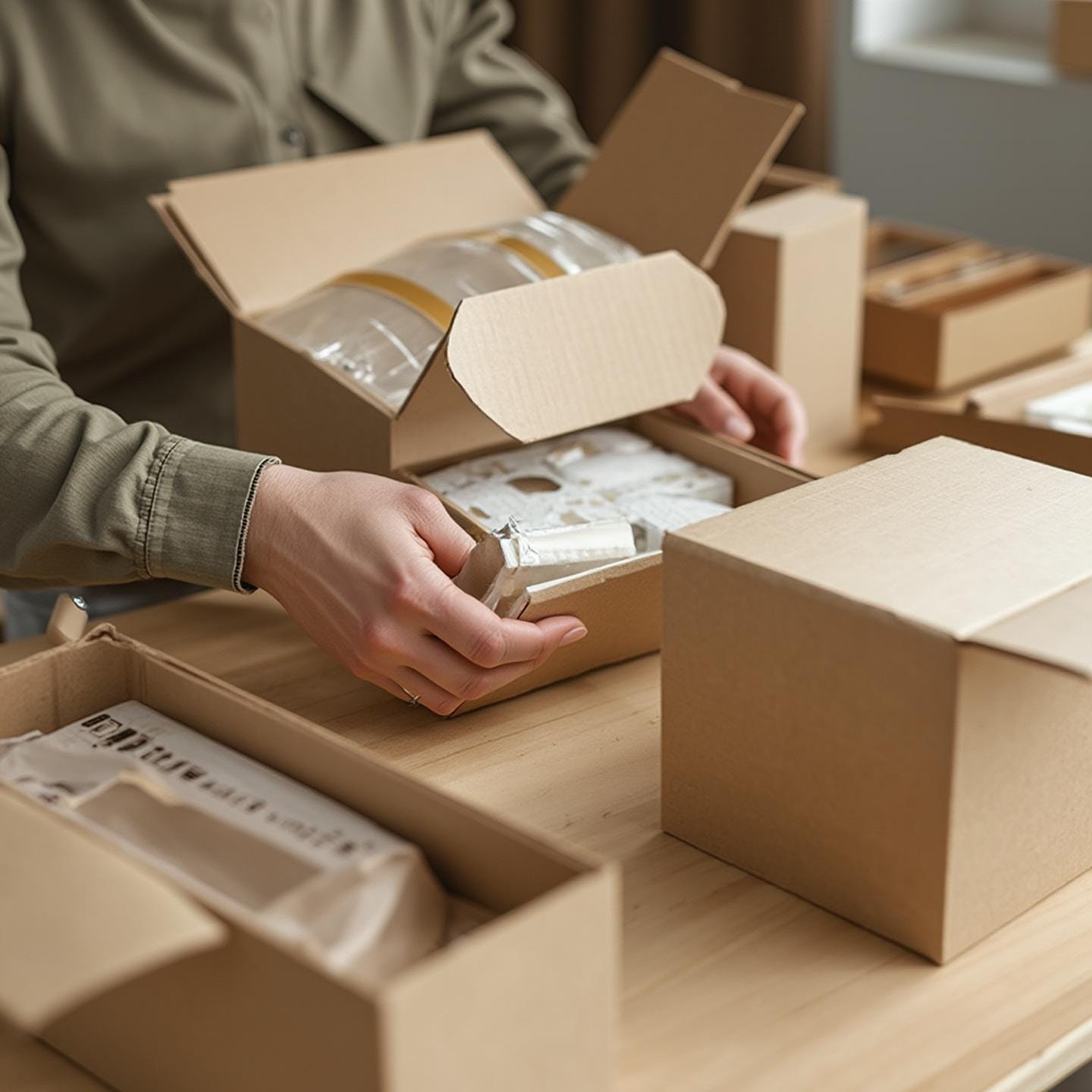
Well-designed kitting programs often allow companies to ship more efficiently by using space-saving, nestable packaging formats. This can reduce unnecessary packaging volume and help limit the number of outbound shipments required to move the same quantity of product.
What Is Kitting and Why It Matters for Sustainability
Kitting is the process of assembling multiple individual products into a single ready-to-ship unit. While commonly used for bundles, subscriptions, and promotions, kitting also plays an important role in reducing material usage and simplifying fulfillment operations.
From a sustainability standpoint, kitting helps eliminate redundant packaging. Instead of shipping multiple items in separate boxes—each with its own filler, labels, and handling—items are consolidated into one package designed specifically for that combination of products.
When paired with right-sized packaging and reusable or recyclable materials, kitting can significantly reduce packaging waste while also improving warehouse efficiency.
The Environmental Impact of Traditional Packaging
Standard eCommerce packaging often relies on oversized boxes, plastic void fill, and single-use materials that are difficult to recycle. High order volumes magnify this impact, increasing landfill waste and transportation emissions.
As consumer awareness grows and regulations continue to evolve, many brands are reassessing how packaging choices affect both environmental outcomes and customer trust. Sustainable packaging is no longer just a branding decision—it increasingly affects purchasing behavior and long-term loyalty.
Benefits of Sustainable Kitting for eCommerce Businesses
Operational Efficiency and Cost Control
Sustainable kitting improves fulfillment efficiency by reducing the number of individual items that must be picked, packed, and shipped. This can support:
- Faster picking and packing by reducing line-item complexity
- Lower material consumption through consolidated packaging
- Simplified inventory tracking when kits are managed as structured SKUs
- More predictable shipping costs through reduced dimensional weight
- Fewer fulfillment errors when products are pre-configured
At Ottawa Logistics, our kitting workflows are designed to balance efficiency, accuracy, and sustainability while maintaining full inventory visibility at the component level.
Improved Customer Experience
Kitting also influences how customers experience a brand. Clean, intentional packaging reinforces quality and care, while excess packaging often creates frustration.
- A cohesive unboxing experience aligned with brand values
- Clear organization that improves usability
- Reduced “overpackaging” perception
- Greater likelihood of positive reviews or social sharing
- Stronger alignment with sustainability-conscious customers
Sustainable Materials for Kitting and Packaging
Biodegradable and Compostable Options
Advances in materials have expanded the range of sustainable packaging suitable for kitting operations:
- Molded pulp inserts made from renewable fibers
- Compostable mailers and films derived from plant-based sources
- Mushroom-based protective materials grown from agricultural byproducts
- Starch-based void fill and cushioning
These materials are often used where protection is required without relying on plastic or foam.
Recycled and Recyclable Materials
- Corrugated boxes with post-consumer recycled content
- Recycled paper wraps and dividers
- Recyclable polyethylene mailers where appropriate
- Paper-based presentation materials

At Ottawa Logistics, warehousekeeping practices support responsible material handling and waste reduction throughout kitting and packaging workflows.
Designing Kits for Maximum Sustainability
Right-Sizing Packaging
Oversized packaging increases material usage and shipping costs. Sustainable kitting prioritizes packaging that closely matches the kit’s contents.
- Custom or modular box sizing
- Stackable or nestable kit layouts
- Flexible packaging that conforms to product dimensions
- Purpose-built inserts to eliminate void fill
Protecting Products With Less Material
- Structural packaging designs that absorb impact
- Folded corrugate or honeycomb structures
- Multi-use packaging elements
- Targeted molded inserts instead of blanket cushioning
Our packaging design approach focuses on protection first, with sustainability built into every decision.
Implementing Sustainable Kitting in Fulfillment Operations
Assess Current Processes
- Review packaging materials and waste output
- Analyze damage-related returns
- Evaluate kit assembly efficiency
- Gather customer feedback on packaging
Work With the Right Partners
- Fulfillment providers with proven kitting expertise
- Sustainable packaging suppliers
- Logistics partners focused on efficiency and compliance
Our zone picking systems support efficient, low-error kitting workflows.
Training and Quality Control
- Clear SOPs for kit assembly
- Consistent quality checks
- Ongoing process improvement feedback
Section 321 and Sustainable Kitting: Historical Context
For cross-border eCommerce businesses, Section 321 historically allowed shipments under $800 USD to enter the United States duty-free. Prior to its suspension, some kitting strategies were designed around those thresholds.
Following regulatory changes, Section 321 de minimis benefits are no longer active. As a result, businesses must now reassess legacy cross-border workflows, including how kits are valued, documented, and routed.
While sustainable kitting continues to deliver operational and environmental value, it should no longer be framed as a mechanism for duty avoidance under current U.S. customs rules.
Measuring Success
Environmental Metrics
- Packaging weight and volume reduction
- Percentage of recyclable or compostable materials
- Waste diversion rates
Operational Metrics
- Labor efficiency in kitting
- Shipping cost consistency
- Error and return rates
Customer Experience Metrics
- Packaging-related feedback
- Repeat purchase behavior
- Brand sentiment related to sustainability
Conclusion
Sustainable kitting is one of the most practical ways eCommerce businesses can reduce waste while improving fulfillment efficiency and customer experience. When approached as part of a broader operational strategy—not a marketing tactic—it creates measurable value across cost control, brand trust, and scalability.
While historical Section 321 strategies once influenced some kitting decisions, modern sustainable kitting is driven by smarter design, better materials, and tighter operational execution.
At Ottawa Logistics, we help brands implement kitting solutions that are practical, compliant, and built to scale—without compromising sustainability goals.
Frequently Asked Questions
When designed correctly, sustainable packaging can reduce dimensional weight and support more predictable shipping costs.
No. Section 321 de minimis benefits applied historically but are no longer active under current U.S. customs regulations.
Yes. With structured workflows and inventory visibility, kitting can be effectively supported in compact fulfillment environments.
Sustainable kitting combines multiple products into a single package using efficient layouts and responsible materials to reduce waste and improve fulfillment efficiency.

Scale Your Canada Fulfillment with Confidence.
Partner with Canada's premier 3PL to unlock faster shipping, lower costs, and seamless scalability for your ecommerce brand.
Talk to an Expert