Fulfillment
Ecommerce Fulfillment Services: Complete Guide to 3PL Partnership for D2C Brands
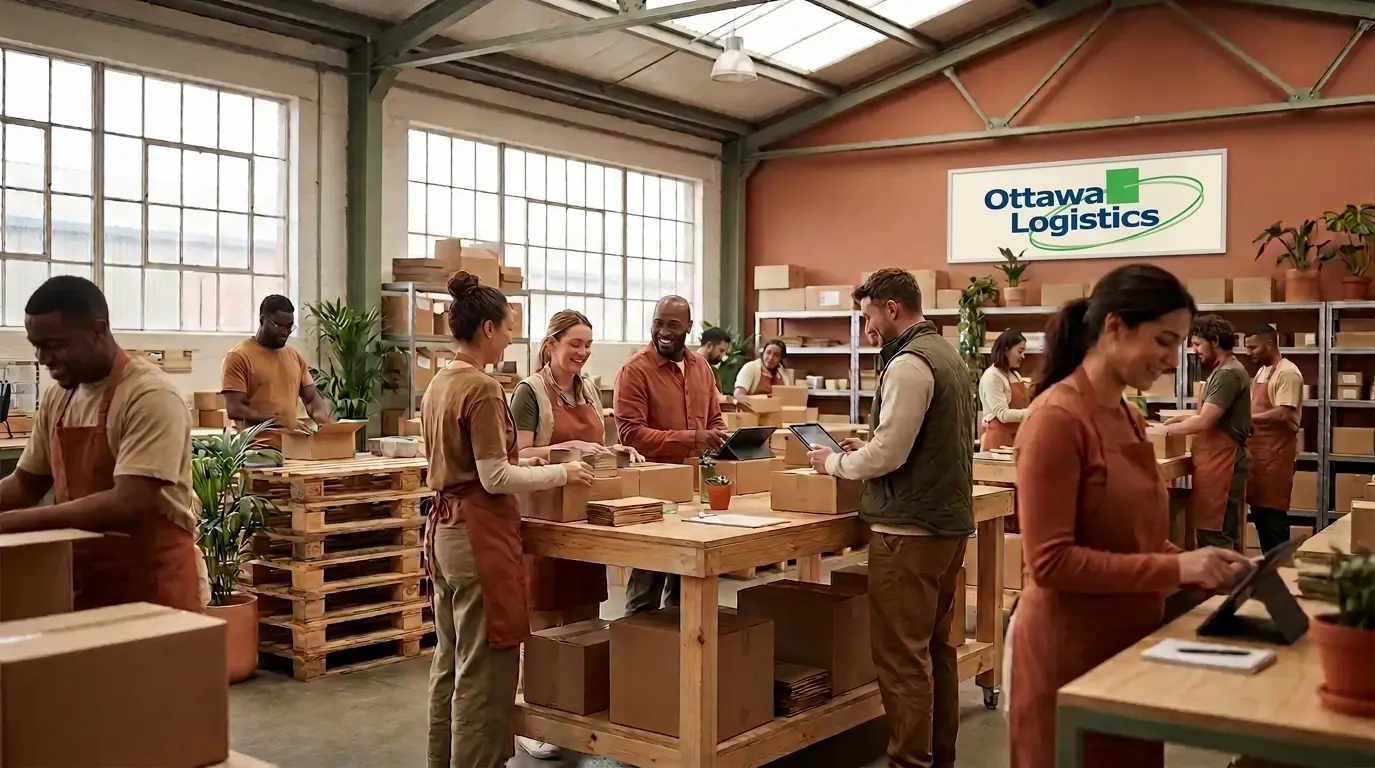
Selecting an ecommerce fulfillment partner represents one of the most consequential operational decisions a direct-to-consumer brand will make. The choice cascades through every customer touchpoint—from order confirmation to doorstep delivery—and directly impacts unit economics, customer retention, and competitive positioning. Yet the evaluation process remains frustratingly opaque for many operations managers and supply chain directors. Generic provider websites promise “fast shipping” and “seamless integration” without quantifying what those terms actually mean for your specific business model. We’ve built our fulfillment operations around the recognition that established D2C brands require technical depth, compliance expertise, and strategic partnership—not surface-level promises. This guide provides the framework for evaluating ecommerce fulfillment services with the rigor that sophisticated brands demand.
Who This Guide Is For—And Who It Isn’t

This article serves established D2C brands processing 100 or more monthly orders who are actively evaluating whether to outsource fulfillment or switch providers. If you’re an operations manager building internal justification for a 3PL partnership, a supply chain director creating vendor evaluation criteria, or a founder whose fulfillment complexity has exceeded internal capabilities, you’re in the right place.
This guide is not for:
- Brands just launching their first product who need basic ecommerce tutorials
- Enterprise operations with dedicated logistics teams seeking warehouse management system comparisons
- Marketplace-only sellers evaluating programs like Fulfillment by Amazon
We assume you understand ecommerce fundamentals and are now grappling with the strategic question of how fulfillment partner selection affects your growth trajectory, customer experience, and margin structure.
What Ecommerce Fulfillment Services Actually Include
The term “fulfillment services” obscures significant variation in operational scope. Many brands underestimate the complexity involved and evaluate partners on incomplete criteria. A complete ecommerce fulfillment service encompasses far more than storing products and shipping boxes.
Core Operational Functions
Our comprehensive fulfillment services include these interconnected functions:
- Receiving and quality inspection — Verifying inbound shipments against purchase orders, documenting damage, and establishing accurate inventory baselines
- Inventory management and cycle counting — Maintaining real-time stock accuracy through systematic auditing and barcode scanning protocols
- Order processing and platform integration — Automatically receiving orders from connected sales channels and initiating fulfillment workflows
- Pick and pack operations — Selecting correct items from storage locations and preparing them for shipment with appropriate packaging
- Kitting and bundling — Pre-assembling product combinations into ready-to-ship units before orders arrive
- Custom packaging and branding — Incorporating branded materials, inserts, and unboxing experiences that reinforce your brand identity
- Shipping and carrier management — Selecting optimal carriers, generating labels, and coordinating pickup schedules
- Returns processing — Receiving returned items, assessing condition, and reintegrating sellable inventory
- Real-time reporting — Providing visibility into inventory levels, order status, and performance metrics
Each function represents a potential failure point. A provider strong in pick-and-pack operations but weak in platform integration creates inventory discrepancies that cascade into overselling and customer disappointment. Platform integration failures alone account for 41% of inventory discrepancies in multi-channel ecommerce operations.
How Ecommerce Fulfillment Differs from Traditional Warehousing
Understanding why traditional 3PLs often fail at ecommerce execution requires recognizing the fundamental operational differences between B2B distribution and D2C fulfillment.
Order Velocity and SKU Complexity
Traditional warehousing operates around dozens or hundreds of large shipments monthly—palletized freight moving to retail distribution centers or wholesale customers. Ecommerce fulfillment processes thousands of individual orders, each containing one to three items on average, shipping directly to consumers. This difference in order velocity demands entirely different warehouse layouts, picking methodologies, and staffing models.
Platform Integration Requirements
B2B distribution typically processes orders via EDI or manual entry from a limited number of wholesale accounts. Ecommerce fulfillment requires real-time integration with shopping carts, marketplaces, and order management systems—often simultaneously. Our Shopify integration capabilities exemplify the technical connectivity that modern D2C operations require.
Packaging Customization Expectations
Wholesale fulfillment uses standardized packaging optimized for pallet efficiency. D2C brands increasingly view unboxing as a brand experience, requiring custom boxes, branded tissue paper, promotional inserts, and personalized messaging. This customization adds labor complexity that traditional warehouses aren’t structured to accommodate.
Shipping Speed Requirements
According to recent industry data, 73% of D2C brands cite fulfillment speed as a primary competitive differentiator, with two-day delivery now considered baseline expectation. Traditional warehousing measures shipping in days or weeks; ecommerce fulfillment measures in hours.
Returns Volume Management
B2B returns are relatively rare and typically handled through structured RMA processes. Ecommerce returns represent a continuous operational reality—16.9% of online orders are returned on average—requiring dedicated reverse logistics capabilities that traditional warehouses lack.
Technical Integration Requirements for Seamless Operations
Platform integration represents perhaps the most critically underserved evaluation criterion in fulfillment partner selection. Operations managers need to understand the technical ecosystem required for truly seamless operations.
Shopping Cart Integrations
At minimum, your fulfillment partner must offer native integrations with your ecommerce platform. We maintain direct connections with Shopify, WooCommerce, BigCommerce, and other major platforms. These integrations should handle:
- Automatic order transmission upon customer purchase
- Real-time inventory synchronization back to your storefront
- Shipping confirmation and tracking number pushback
- Product catalog synchronization including SKU mapping
Marketplace Connections
Brands selling across multiple channels need integrations extending beyond their primary storefront to include Amazon, eBay, Walmart Marketplace, and other sales channels. Without unified inventory management across channels, you risk overselling and the customer experience damage that follows.
Order Management System Compatibility
Sophisticated brands often use dedicated OMS platforms like NetSuite to centralize order routing and inventory allocation decisions. Your fulfillment partner should integrate with these systems through API connections that maintain data integrity across platforms.
API Capabilities for Custom Workflows

Standard integrations cover common scenarios, but your business likely has unique requirements—custom reporting needs, specific workflow triggers, or specialized data handling. Evaluate whether potential partners offer API access enabling custom development when standard integrations fall short.
Strategic Fulfillment Location and Cross-Border Considerations
Fulfillment geography directly impacts shipping zones, delivery times, and costs in ways that many brands underestimate during partner evaluation. The data is compelling: brands using strategically located fulfillment centers reduce shipping costs by an average of 28% and improve delivery times by 1.8 days compared to single-location fulfillment.
The Mathematics of Shipping Zones
Carrier pricing structures charge progressively more for longer shipping distances, organized into zones. A package traveling from a single fulfillment center in the Midwest to a West Coast customer may cross four or five zones, each adding cost and transit time. Distributing inventory across multiple strategic locations keeps more orders in lower zones.
Our warehouse network spanning Ottawa, Toronto, and Vancouver enables Canadian brands to reach customers across the country efficiently while positioning inventory for cross-border shipments to the United States.
Canadian Fulfillment for US Brands
US-based brands serving Canadian customers face a strategic choice: ship cross-border from US facilities or establish Canadian fulfillment presence. Cross-border shipping subjects customers to customs delays, potential duties, and unpredictable delivery windows. Cross-border ecommerce brands using in-country fulfillment reduce customs delays by 89% and improve delivery predictability scores by 54%.
Canadian fulfillment eliminates these friction points, transforming international delivery into a domestic shipping experience for Canadian customers. For brands evaluating Canadian market entry or expansion, this represents a significant competitive advantage.
Section 321 De Minimis Considerations
Cross-border fulfillment between Canada and the United States requires navigating customs compliance that has grown more complex since the suspension of Section 321 de minimis treatment in August 2025. All commercial shipments now require formal customs entry procedures regardless of value. Our cross-border fulfillment expertise helps brands navigate these requirements efficiently, minimizing delays and duty exposure through strategic inventory positioning and compliance documentation.
The Canada Border Services Agency customs requirements add complexity that inexperienced fulfillment providers often navigate poorly, creating delays and compliance issues.
Evaluating Ecommerce Fulfillment Partners: Key Capabilities
Transform your evaluation from subjective impression to structured assessment by examining these critical capability areas:
Platform Integration Depth
- Request documentation of specific integrations with your current and planned platforms
- Ask about integration maintenance—how quickly do they adapt when platforms update APIs?
- Verify two-way synchronization (orders in, tracking and inventory out)
- Understand whether integrations are native or through third-party middleware
Scalability During Peak Periods
Ecommerce order volumes fluctuate by an average of 340% between peak and off-peak periods. Ask potential partners:
- How do you staff for seasonal peaks?
- What is your maximum daily order processing capacity?
- Have you experienced fulfillment delays during previous peak seasons?
- What is your onboarding timeline for additional warehouse space if needed?
Vertical-Specific Expertise
Nutraceuticals, cosmetics, and other regulated products require compliance capabilities that general fulfillment providers lack. Our kitting and bundling services extend to specialized handling requirements including GMP-compliant logistics, climate-controlled storage, and proper documentation for Health Canada and FDA compliance.
Technology Transparency
Real-time visibility shouldn’t be a premium feature. Evaluate whether providers offer:
- 24/7 access to inventory levels and order status
- Detailed reporting on fulfillment accuracy and speed
- Proactive alerts when inventory reaches reorder thresholds
- Historical data for trend analysis and forecasting
SLA Commitments
Service level agreements should specify measurable performance targets with defined remedies for non-performance. Industry-leading providers commit to:
- On-time fulfillment rates exceeding 99.5%
- Order accuracy rates exceeding 99.9%
- Same-day shipping for orders received before defined cutoff times
- Inventory accuracy rates exceeding 95%
Pricing Models and Cost Structure Transparency
Fulfillment pricing structures vary significantly, and understanding the economics prevents evaluation mistakes.
Common Fee Categories
Receiving fees: Charged per pallet, carton, or piece for processing inbound inventory. National averages run approximately $11 per pallet, though regional variation is substantial.
Storage costs: Typically charged per pallet or per cubic foot monthly. Rates average $19 per pallet nationally but can exceed $23 in higher-cost regions.
Pick and pack fees: Charged per order or per item picked. Understanding whether you’re quoted per-order rates or per-item rates dramatically changes cost projections for multi-item orders.
Shipping costs: Either passed through at carrier rates or marked up. Clarify whether you’re paying actual carrier costs or a fulfillment provider markup.
Kitting charges: Additional fees for assembling product combinations. Pre-assembled kits can reduce fulfillment labor costs by 15-25% compared to pick-on-demand assembly.
Returns processing: Fees for receiving, inspecting, and restocking returned items.
Pricing Model Selection
Fixed flat-rate models provide cost predictability but may include volume caps that create penalty charges during growth periods. These work well for brands with stable, predictable demand.
Activity-based models charge per transaction, creating flexibility during volume fluctuations but introducing budget unpredictability. These suit brands with seasonal peaks or rapid growth trajectories.
Hybrid models combine fixed baseline charges with variable transaction fees, balancing predictability with flexibility.
The critical metric is total landed cost—the all-in expense to get a product from your fulfillment center to your customer’s hands. Individual line item optimization often shifts costs elsewhere without reducing total expense.
When to Outsource: Strategic Timing and Readiness Indicators
Not every brand benefits from immediate fulfillment outsourcing. These operational thresholds typically justify 3PL partnership:
Volume Benchmarks
At roughly 100 monthly orders, most brands reach an inflection point where in-house fulfillment consumes disproportionate founder or staff time relative to value created. The opportunity cost of that time—not spent on product development, marketing, or customer relationships—justifies outsourcing economics.
Geographic Expansion Requirements
Brands expanding into new markets—particularly into Canada—benefit from in-country fulfillment that transforms international delivery into domestic shipping experiences. Establishing direct-to-consumer fulfillment in Canada through a local 3PL partner significantly improves customer satisfaction and reduces delivery complications compared to cross-border shipping models.
Capital Allocation Priorities
Building internal fulfillment infrastructure requires capital investment in warehouse space, equipment, technology systems, and staffing. For growth-stage brands, that capital often generates higher returns invested in inventory, marketing, or product development.
Operational Complexity Exceeding Internal Capabilities
When fulfillment errors begin impacting customer satisfaction, when inventory accuracy degrades below 95%, or when peak season demand creates fulfillment backlogs, operational complexity has exceeded internal capabilities. The data is clear: 67% of online shoppers abandon brands after a single negative delivery experience, making fulfillment execution a direct revenue driver.
Implementation Process: What to Expect When Onboarding
Understanding the partnership lifecycle reduces perceived risk and sets realistic expectations for brands considering the transition.
Phase 1: Consultation and Requirements Gathering
Expect detailed discussions about order volumes, SKU counts, platform infrastructure, shipping destinations, and special handling requirements. This phase typically spans one to two weeks.
Phase 2: Platform Integration and Testing
Technical teams connect your ecommerce platforms to the fulfillment provider’s systems, then test order flow, inventory synchronization, and tracking updates. Budget four to eight weeks depending on integration complexity.
Phase 3: Inventory Transfer
Physical inventory moves to the fulfillment center, with each item scanned and logged into the warehouse management system. Reconciliation processes verify that digital records match physical inventory before going live.
Phase 4: Pilot Period
Many brands begin with partial order routing, sending a percentage of orders to the new fulfillment partner while maintaining existing processes. This limits risk while validating performance.
Phase 5: Performance Monitoring and Optimization
Allow four to eight weeks for operational rhythm to establish before evaluating against SLA commitments. Expect weekly operational reviews during the initial period, transitioning to monthly or quarterly business reviews as the partnership matures.
Building Your Evaluation Framework

For brands ready to evaluate fulfillment partners, we recommend creating a weighted scorecard capturing:
- Must-have requirements — Non-negotiable capabilities that trigger automatic disqualification if unmet
- Platform integration depth — Weighted heavily if multi-channel complexity is high
- Geographic coverage — Critical for cross-border or multi-region delivery requirements
- Vertical expertise — Essential for regulated products requiring compliance capabilities
- Technology and visibility — Important for brands prioritizing operational transparency
- Pricing structure alignment — Evaluated against your specific demand patterns
- Scalability evidence — Crucial for high-growth brands
Request references from current clients in similar business models—their operational reality reveals more than sales presentations.
Moving Forward with Confidence
Selecting an ecommerce fulfillment partner is a strategic supply chain decision with cascading business implications. The right partnership enables faster delivery, improved customer satisfaction, reduced operational burden, and sustainable unit economics. The wrong partnership creates inventory discrepancies, shipping delays, compliance violations, and customer experience failures that directly damage your brand.
We’ve structured our fulfillment operations around the needs of established D2C brands—technical integration depth, cross-border compliance expertise, strategic warehouse positioning, and scalable operations that grow alongside your business. Our bilingual team, GMP-compliant facilities, and advanced carrier rate shop systems address the specific challenges brands face when expanding across North American markets.
If you’re evaluating fulfillment partners and want to understand how strategic Canadian fulfillment could support your growth trajectory, discuss your fulfillment requirements with our team. We’ll provide the technical depth and strategic perspective that informed decision-making requires.
Frequently Asked Questions
Confirm native two-way sync for orders, inventory, tracking, and SKUs with your platforms like Shopify. Check marketplace support, API access, documentation quality, maintenance speed on updates, and whether integration is direct or middleware-based to prevent overselling issues.
This guide is for established D2C brands handling 100+ monthly orders, particularly ops managers or founders overwhelmed by fulfillment. Skip it if you’re just launching, running enterprise logistics, or only selling on marketplaces like Amazon.
Ecommerce requires handling high-velocity small orders, real-time platform syncs, custom packaging, two-day shipping, and frequent returns. Traditional B2B warehouses with pallet freight and slow systems can’t match the speed or complexity needed for direct-to-consumer operations.
Consider outsourcing around 100 monthly orders when in-house fulfillment consumes too much time, you’re expanding cross-border, inventory accuracy drops below 95%, or peak seasons cause delays. It’s more cost-effective than losing customers to poor delivery experiences.
Full fulfillment includes receiving and inspection, inventory tracking with cycle counts, order processing, pick and pack services, custom branded packaging, carrier management, returns handling, and real-time reporting. Missing any of these can cause inventory errors or customer dissatisfaction.

Scale Your Canada Fulfillment with Confidence.
Partner with Canada's premier 3PL to unlock faster shipping, lower costs, and seamless scalability for your ecommerce brand.
Talk to an Expert